 By Rakshata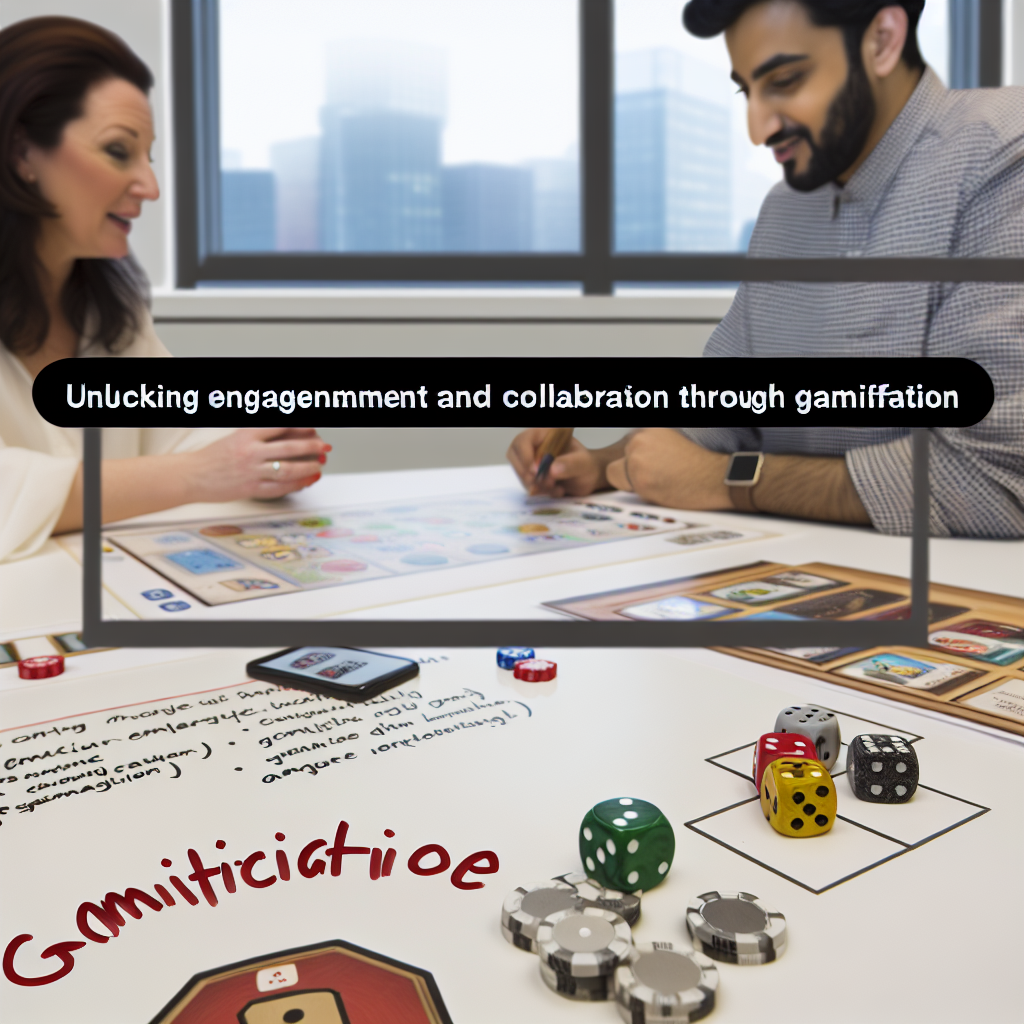
Last updated: March 13, 2026
Gamification has emerged as a powerful tool across various sectors, enhancing engagement, motivation, and overall user experience. This article delves into the multifaceted benefits of gamification, examining its impact on different industries and how it fosters creativity and collaboration. By understanding these advantages, businesses and individuals can harness gamification strategies to achieve their goals more effectively.
Enhanced User Engagement
One of the most significant benefits of gamification is its ability to boost user engagement. By incorporating game-like elements, such as points, badges, and leaderboards, organizations can create an immersive experience that captivates users. This approach makes mundane tasks more enjoyable, encouraging participation and persistence.
For instance, educational platforms that use gamification often see increased retention rates. As students earn rewards for completing lessons and quizzes, they are motivated to engage more deeply in their learning. Similarly, businesses that implement gamification in training programs report higher employee involvement and satisfaction, leading to improved performance.
Fostering Collaboration and Creativity
Gamification not only enhances individual engagement but also promotes collaboration and creativity among teams. By creating a competitive yet cooperative environment, teams are encouraged to work together towards common goals. This approach can lead to innovative solutions as team members leverage their diverse skills and perspectives.
Moreover, gamified systems often include collaborative challenges that require teams to strategize and communicate effectively. This improves not only their problem-solving abilities but also strengthens interpersonal relationships within the organization. In essence, gamification transforms typical workflows into dynamic interactions, inspiring creativity and collaboration that ultimately drives better outcomes.
In conclusion, the benefits of gamification are far-reaching, impacting user engagement and fostering a culture of collaboration and creativity. By embracing this approach, organizations can unlock new levels of motivation and teamwork. Implementing gamification strategies can lead to a more engaged workforce, improved learning outcomes, and innovative problem-solving, proving that a game-focused approach is indeed a game changer.
 CorporateTraining360 Editorial Team