 By Rakshata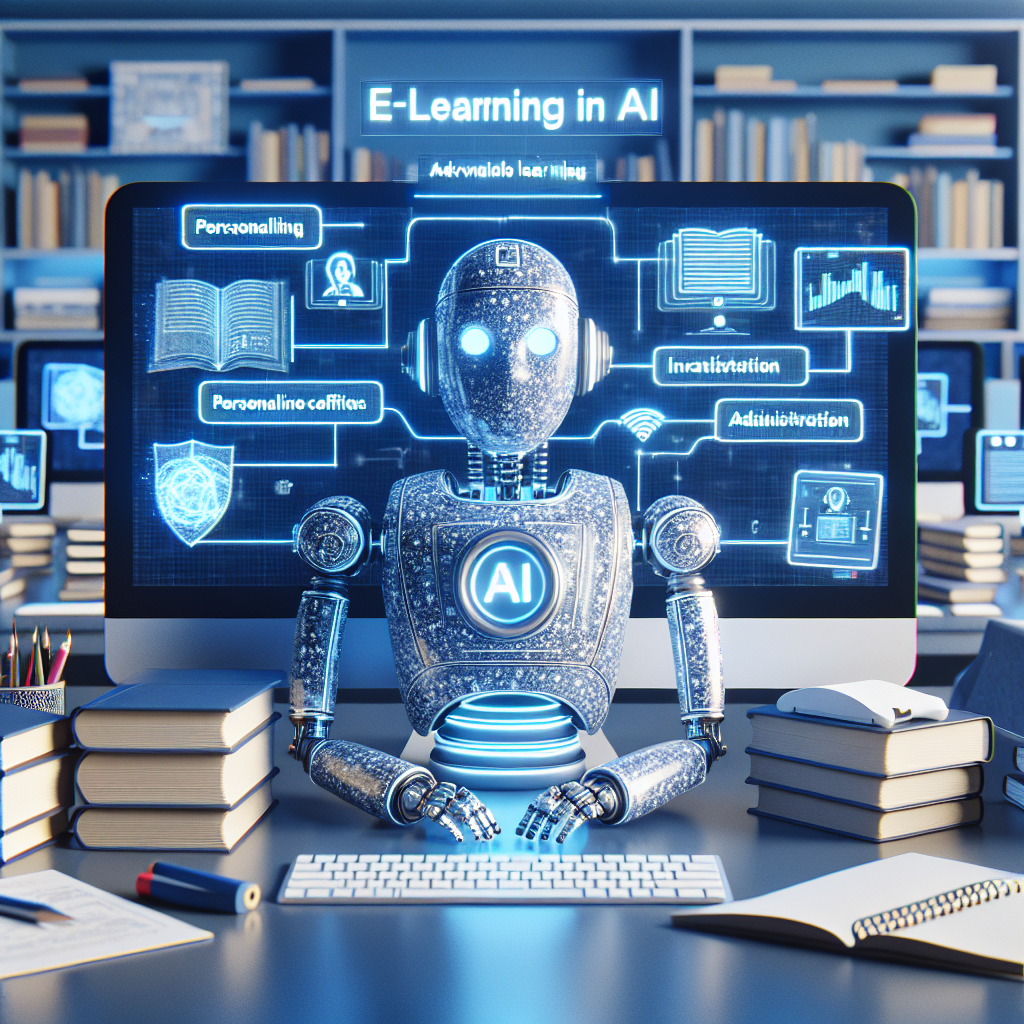
Last updated: March 13, 2026
As technology continues to evolve, the integration of Artificial Intelligence (AI) in eLearning has emerged as a revolutionary force in education. This article delves into how AI enhances personalized learning experiences, improves administrative efficiency, and fosters deeper engagement among learners. Understanding these aspects is vital for educators, institutions, and learners alike as they navigate this dynamic landscape.
Personalized Learning Experiences
One of the most significant contributions of AI in eLearning is its ability to create personalized learning experiences. Traditional educational models often adopt a one-size-fits-all approach, which may not cater to individual student needs. With AI, the learning process can be tailored to accommodate various learning styles and paces.
AI algorithms analyze student performance data to identify strengths, weaknesses, and preferences. This information allows for adaptive learning paths—where students can focus on challenging topics while accelerating through areas of strength. For example, AI-driven platforms like Knewton or DreamBox provide customized content that adjusts in real-time based on student interactions.
Furthermore, AI-powered chatbots and virtual tutors provide immediate feedback and support, fostering a more interactive learning environment. This not only aids comprehension but also boosts confidence, motivating learners to engage more deeply with the material.
Enhanced Administrative Efficiency
In addition to enhancing personalized learning, AI also significantly improves administrative efficiency within educational institutions. From grading assignments to managing enrollment processes, AI automates routine tasks, freeing up educators to concentrate on teaching and student interaction.
For example, AI systems can evaluate student assessments with remarkable accuracy and speed, reducing the time educators spend on grading. This capability not only accelerates feedback but also allows instructors to identify trends in class performance quickly. Additionally, AI-driven analytics platforms help institutions understand enrollment patterns, predict dropout risks, and implement timely interventions.
By utilizing AI in these administrative capacities, educational institutions can enhance operational workflows, thus dedicating more resources to innovate and improve teaching methodologies. The synergistic effect of improved administrative practices and personalized education creates a comprehensive eLearning environment that is both efficient and effective.
In conclusion, the incorporation of AI into eLearning is transforming how education is delivered and experienced. By offering personalized learning pathways and enhancing administrative efficiency, AI is not only enriching student engagement but also optimizing institutional operations. As technology continues to advance, understanding and leveraging these AI applications will be essential for future educational success and innovation.
 CorporateTraining360 Editorial Team