 By Rakshata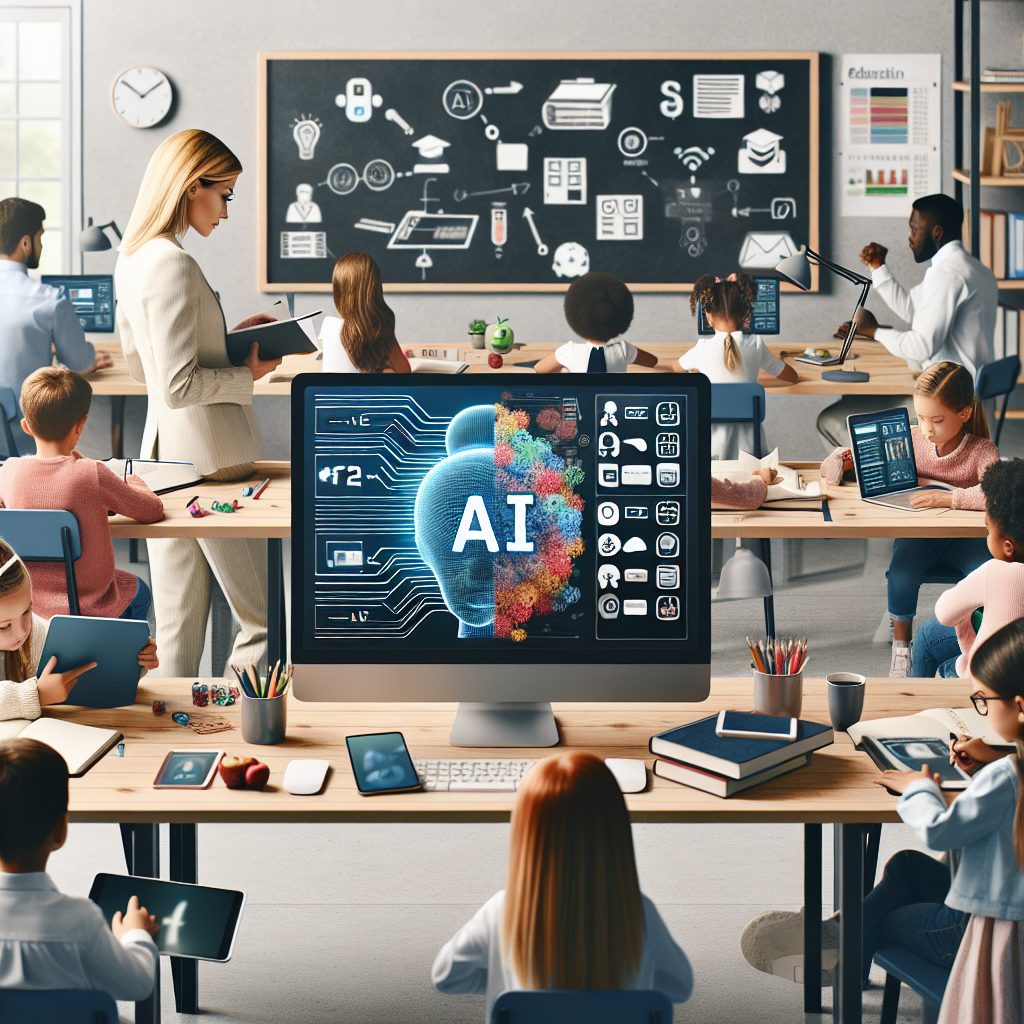
Last updated: March 13, 2026
Artificial Intelligence (AI) is transforming the landscape of K-12 education, offering innovative solutions for personalized learning, content creation, and administrative efficiencies. As educators and schools increasingly adopt AI tools, it’s crucial to explore how these technologies enhance teaching and learning experiences while addressing challenges in the educational environment.
Enhancing Personalized Learning
AI is revolutionizing the way students engage with learning materials by enabling personalized education tailored to individual needs. With algorithms that analyze student performance data, AI solutions can identify learning gaps and recommend resources that align with each student’s pace and style.
- Adaptive Learning Platforms: These platforms use AI to continuously assess student progress and adjust the curriculum accordingly, ensuring that learners remain challenged yet supported.
- Intelligent Tutoring Systems: AI-driven tutoring systems provide real-time feedback and targeted exercises, fostering a deeper understanding of complex subjects.
By harnessing AI for personalized learning, educators can effectively cater to diverse classrooms, enhancing student engagement and improving overall educational outcomes.
Streamlining Content Creation and Management
In addition to personalized learning, AI is making significant strides in content creation and management within K-12 schools. With the capability to generate lesson plans, quizzes, and even entire curricula, AI tools save educators valuable time, freeing them to focus more on direct interactions with students.
- AI Content Generators: These tools can produce customized educational materials that fit specific learning objectives, simplifying the resource development process for teachers.
- Administrative Support: AI applications help streamline administrative tasks, such as grading and progress tracking, enabling educators to devote more energy to instruction and student engagement.
By integrating AI into content creation and management, schools can enhance productivity, optimize resource allocation, and ultimately cultivate a richer learning environment for students.
In conclusion, the integration of AI in K-12 education presents powerful opportunities for enhancing personalized learning and streamlining content management. As educators and institutions leverage these tools, they pave the way for more engaging, efficient, and effective teaching and learning experiences. The future of K-12 education looks bright, illuminated by the transformative potential of artificial intelligence.
 CorporateTraining360 Editorial Team