 By Rakshata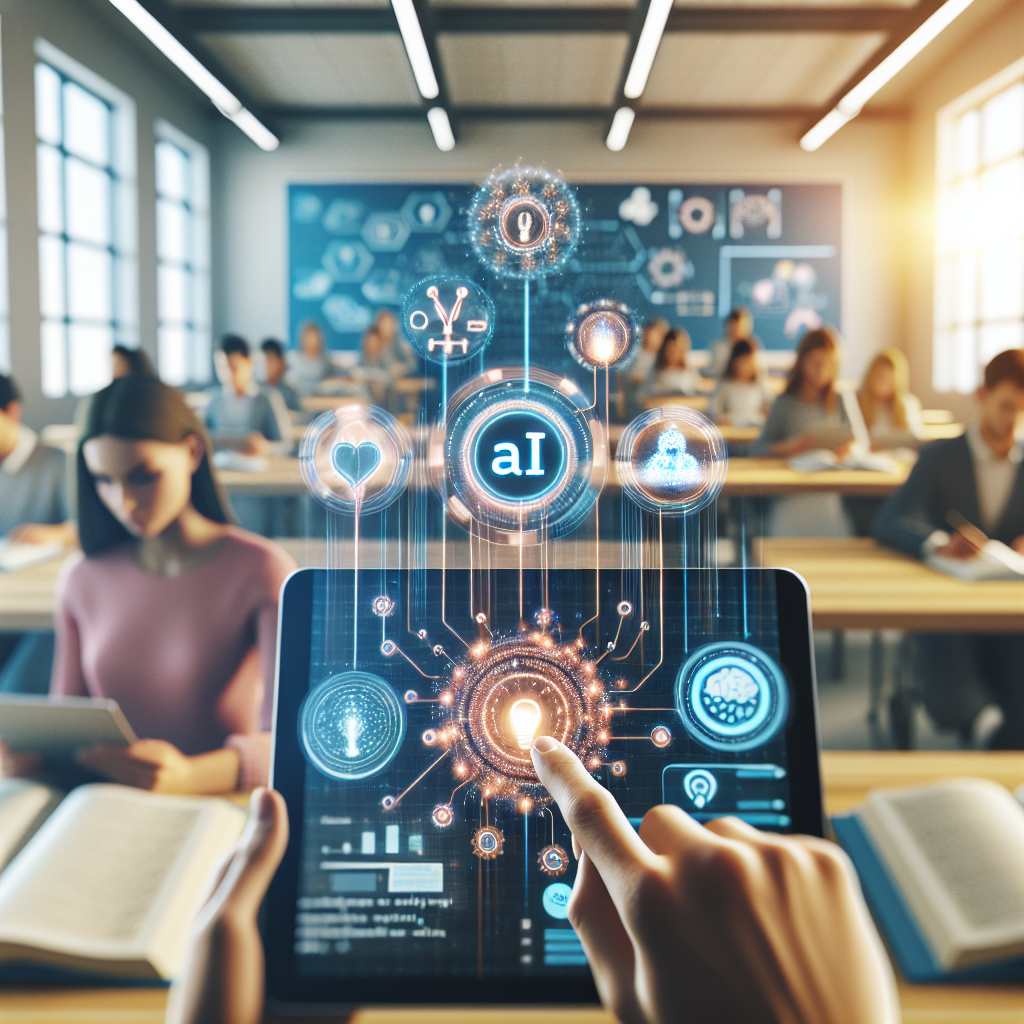
Last updated: March 13, 2026
Artificial Intelligence (AI) is revolutionizing the education sector, transforming how students learn and educators teach. This article explores the multifaceted ways AI enhances personalized learning, streamlines administrative tasks, and supports educators in creating engaging, effective learning environments. By embracing AI technologies, educational institutions can significantly improve outcomes and readiness for the future.
Personalized Learning Experiences
One of the most profound impacts of AI in education is its ability to provide personalized learning experiences. Through sophisticated algorithms, AI can analyze a student’s learning style, pace, and performance to tailor educational content specifically for them. Tools such as intelligent tutoring systems and adaptive learning platforms use real-time data to adjust lessons, ensuring that each student remains engaged and challenged.
For instance, platforms like Knewton and DreamBox Learning utilize AI to identify areas where students struggle and offer customized resources and exercises. This individualized approach not only fosters a deeper understanding of the subject matter but also helps to build students’ confidence and motivation. As a result, learners can progress at their own pace, making education more inclusive and effective.
Streamlining Administrative Tasks and Improving Educator Support
AI also plays a crucial role in enhancing the efficiency of educational institutions by automating numerous administrative tasks. From grading assignments to managing schedules and processing admissions, AI-driven solutions help reduce the workload on educators, allowing them to focus on teaching. Tools like Gradescope and Turnitin leverage AI to automate grading and plagiarism detection, freeing up valuable time for instructors to interact with students personally.
Furthermore, AI systems can provide valuable insights into student performance and institutional effectiveness, helping educators make data-driven decisions. By analyzing vast amounts of data, AI can identify trends, predict outcomes, and suggest interventions for at-risk students. This data-centric approach creates a more responsive educational environment and significantly improves overall student success rates.
In conclusion, the integration of AI in the education sector is redefining the landscape of learning and teaching. By offering personalized learning experiences and streamlining administrative processes, AI not only supports students but also empowers educators. As institutions continue to adopt these technologies, the future of education looks promising, paving the way for more effective, efficient, and inclusive learning environments.
 CorporateTraining360 Editorial Team