 By Rakshata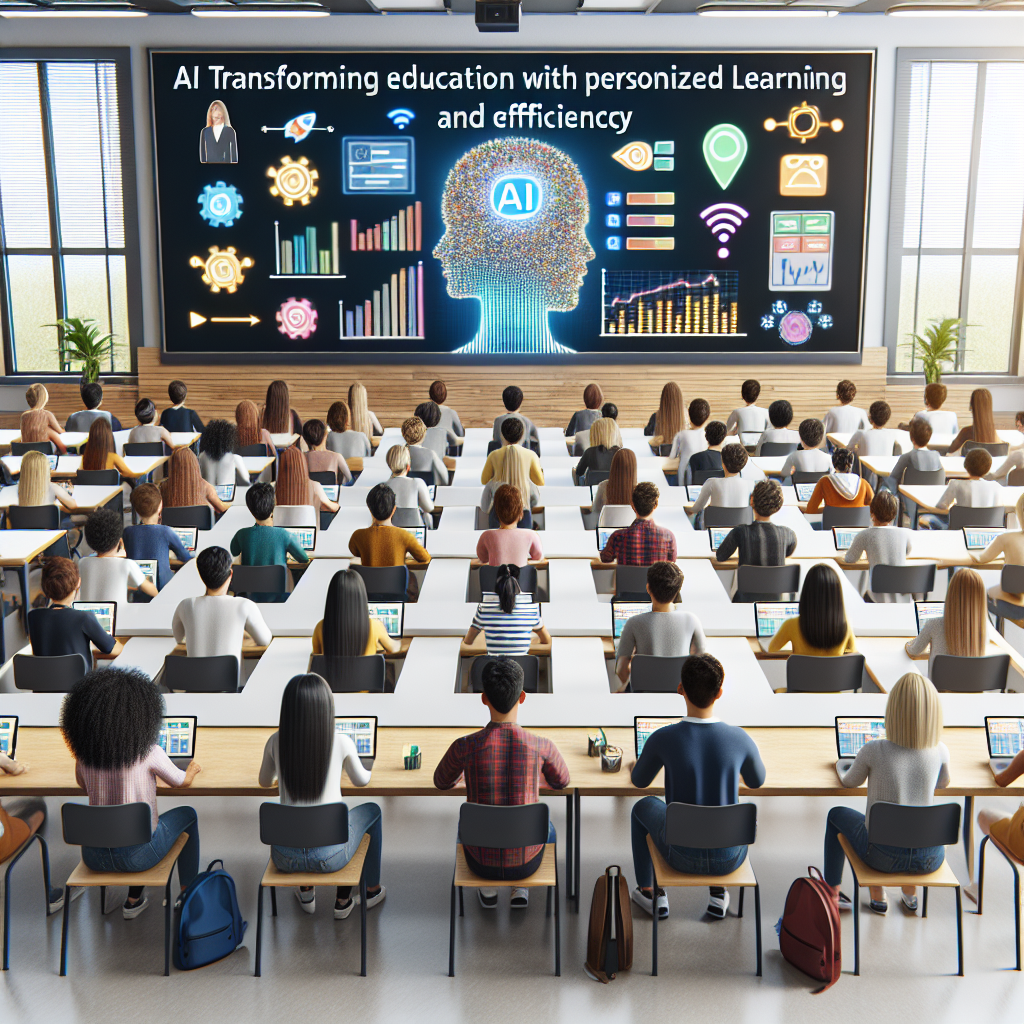
Last updated: March 13, 2026
Artificial Intelligence (AI) is rapidly transforming various sectors, with education being one of the most impacted. This article delves into how AI is reshaping educational landscapes, enhancing personalized learning experiences, and streamlining administrative tasks, ultimately empowering both students and educators. By exploring these dimensions, we can understand the profound implications of AI in the educational sector.
Personalized Learning Experiences
One of the most significant benefits of AI in education is its ability to facilitate personalized learning experiences. Traditional education often adopts a one-size-fits-all approach, which can leave many students either bored or overwhelmed. AI addresses this challenge through adaptive learning technologies that analyze individual student performance and tailor educational content accordingly.
For instance, intelligent tutoring systems can monitor a student’s progress in real-time, adapting lesson plans and resources to fit their unique learning pace and style. This not only boosts engagement but also enhances comprehension and retention of materials. Tools like chatbots further enrich the educational experience by providing instant support, answering queries, and offering guidance outside standard classroom hours, thereby making learning more accessible.
Streamlining Administrative Tasks
In addition to enriching student experiences, AI is streamlining administrative tasks within educational institutions. Tasks such as grading, scheduling, and even enrollment processes can be time-consuming and arduous for educators. AI automates these processes, allowing teachers to focus more on instruction rather than administrative burdens.
For example, AI-driven grading systems can quickly assess student assignments and exams, providing immediate feedback. Additionally, AI can help in resource allocation by predicting enrollment trends and helping institutions optimize their facilities and faculty resources accordingly. This leads to enhanced operational efficiency, empowering institutions to utilize their resources more effectively for the benefit of student learning.
In conclusion, AI is undeniably transforming the education sector by enabling personalized learning and streamlining administrative processes. As educational institutions continue to embrace these technological advancements, students and educators alike stand to gain from a more tailored and efficient educational experience. The future of learning is bright with AI, promising improvements that can redefine how knowledge is imparted and absorbed in the classroom.
 CorporateTraining360 Editorial Team