 By Rakshata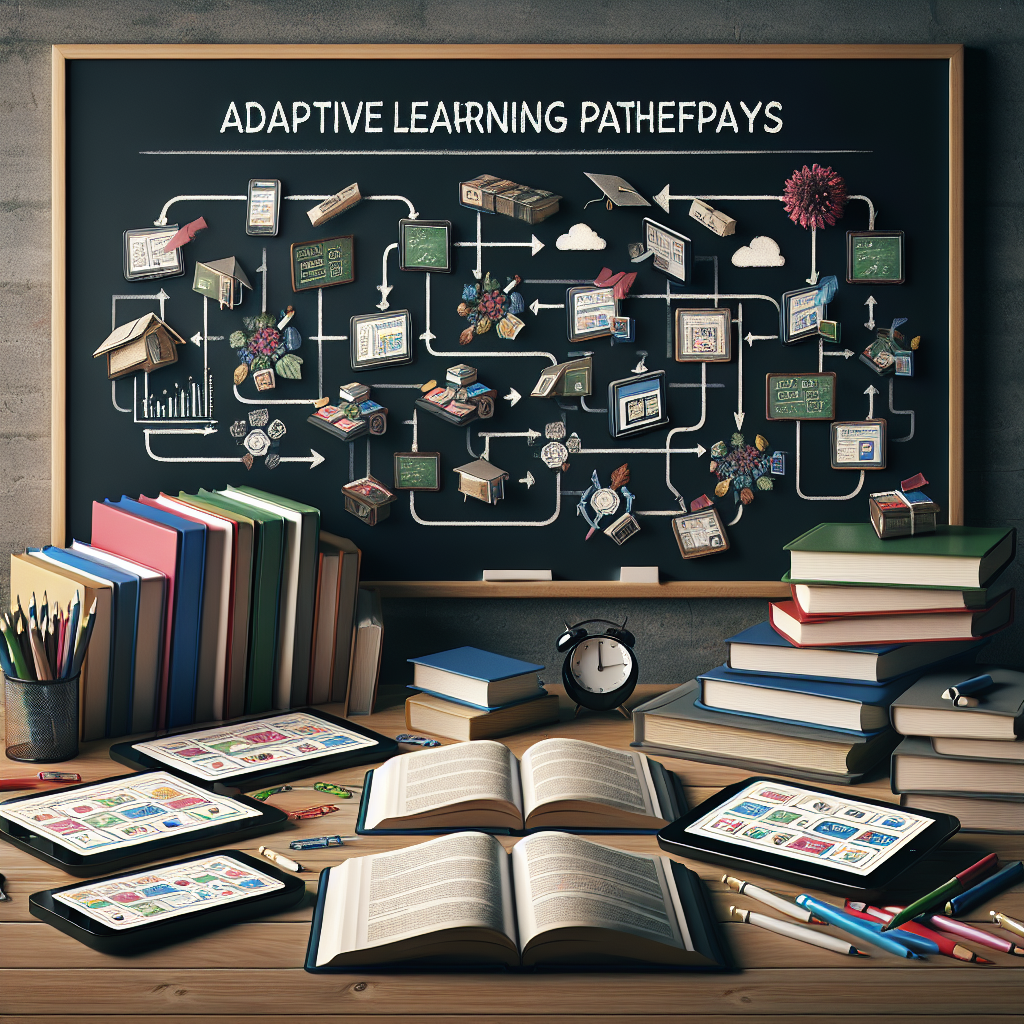
Adaptive learning pathways represent a transformative approach to education, tailoring learning experiences to meet individual needs and learning styles. By leveraging technology, these pathways create personalized educational journeys that enhance student engagement and performance. In this article, we will explore the concept of adaptive learning pathways, their significance in modern education, and the key elements that contribute to their success.
Understanding Adaptive Learning Pathways
Adaptive learning pathways utilize data-driven algorithms to adjust educational content and pacing based on a learner’s unique needs. This personalization ensures that students engage with material that is suitably challenging, neither too easy nor overwhelmingly difficult. The integration of artificial intelligence and machine learning technologies allows for real-time assessments, providing insights into a learner’s progress and areas that require further attention.
One significant advantage of adaptive learning is its ability to cater to diverse learning preferences. For instance, visual learners may benefit from more graphical content, while auditory learners might thrive with audio-lectures. By collecting data on student interactions and outcomes, educators can create a more inclusive and effective learning environment. This responsiveness fosters greater motivation and encourages students to take ownership of their educational journeys.
The Benefits and Challenges of Implementing Adaptive Learning Pathways
The implementation of adaptive learning pathways offers numerous benefits, including improved student retention rates, higher engagement levels, and enhanced learning outcomes. Schools and educational institutions that adopt this approach often find they can better support students who may struggle or excel at different speeds. Furthermore, adaptive learning pathways facilitate a more efficient use of classroom time, allowing instructors to focus on personalized instruction and mentorship.
However, challenges remain in the widespread adoption of adaptive learning technology. Schools may face financial barriers, limited access to the necessary educational technology, or a lack of training for educators. Additionally, ensuring data privacy and effectively managing the vast amount of learning data generated can pose significant hurdles. Overcoming these challenges requires a concerted effort from educational stakeholders, including policymakers, institutions, and technology developers.
In conclusion, adaptive learning pathways are reshaping the educational landscape by providing tailored learning experiences that meet individual needs. By understanding their structure and benefits, we can appreciate the potential for improved educational outcomes. While challenges exist, with the right support and resources, adaptive learning pathways can offer invaluable opportunities for both students and educators, paving the way for a more effective and personalized approach to learning.
 admin
admin