 By Rakshata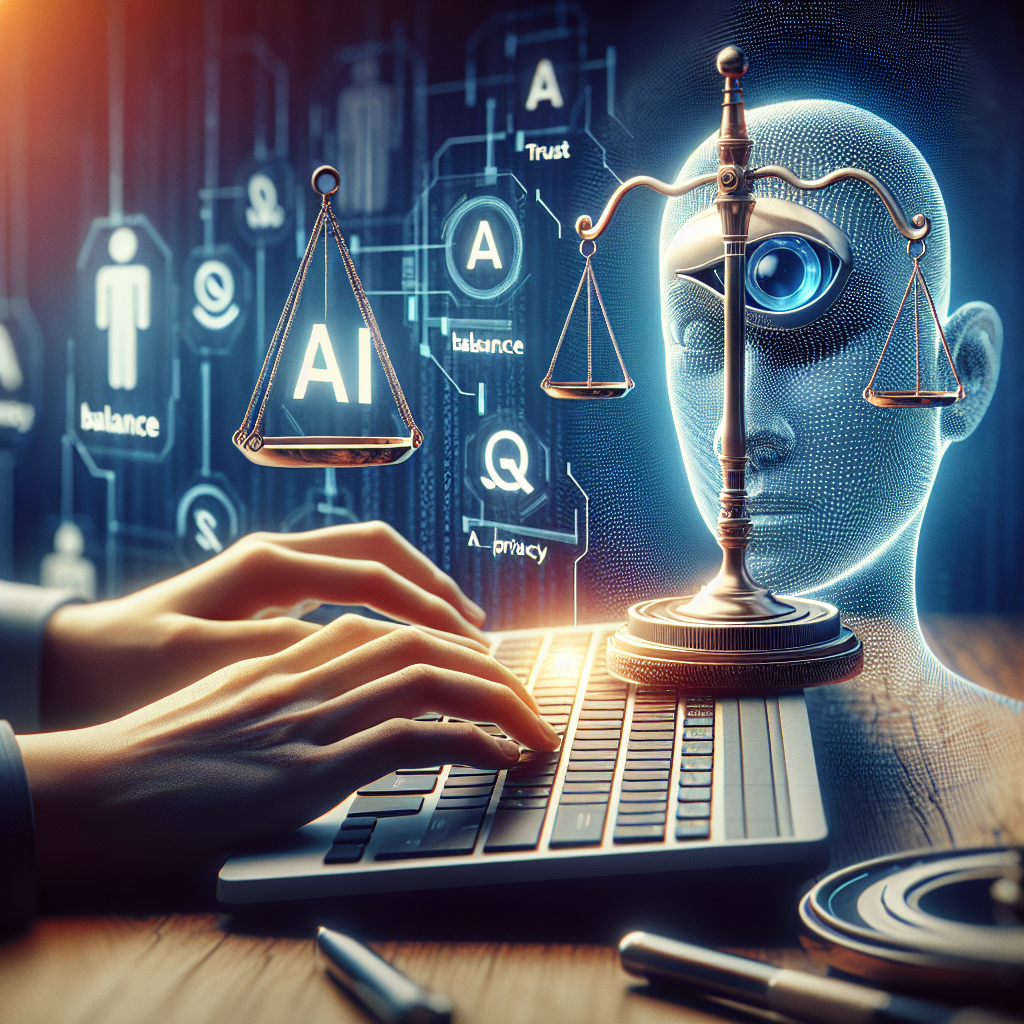
As artificial intelligence (AI) continues to reshape workplaces globally, the ethical implications it brings to the forefront are becoming increasingly significant. This article delves into the key aspects of AI ethics in the workplace, discussing the importance of moral considerations in AI usage, privacy concerns, and the potential impacts on employment and workplace culture.
The Importance of Ethical AI Development
Developing AI systems with ethical considerations is crucial for fostering trust and accountability in the workplace. Ethical AI encompasses fairness, transparency, and accountability, ensuring that algorithms do not perpetuate bias or discrimination. Businesses must engage in ethical AI development by implementing guidelines that prioritize human welfare.
When AI systems are designed without these moral principles, they may unintentionally favor certain groups over others. For instance, recruiting algorithms trained on biased data can lead to discriminatory hiring practices. Consequently, organizations should invest in diverse training data and regularly audit their AI tools to promote inclusivity and fairness, ensuring equal opportunities for all candidates.
Privacy Concerns and Employee Surveillance
As organizations increasingly adopt AI tools for monitoring employee performance and productivity, concerns regarding employee privacy are on the rise. While AI can enhance efficiency, it also raises significant ethical questions about how much surveillance is acceptable. Striking a balance between productivity improvement and respecting privacy rights is crucial for ethical AI use.
Employers must be transparent about their monitoring practices and engage employees in discussions about the data being collected. Implementing clear policies that outline acceptable levels of surveillance can help cultivate a culture of trust. Additionally, organizations should seek employee consent and avoid overreach, ensuring that surveillance practices do not infringe on personal freedoms or create a toxic workplace environment.
In conclusion, the integration of AI in the workplace brings forth various ethical challenges that organizations must navigate. By prioritizing ethical AI development and addressing privacy concerns transparently, businesses can harness the benefits of AI while fostering a positive workplace culture. Maintaining ethical standards is essential for building trust, ensuring fairness, and supporting employee welfare in an increasingly automated world.
 admin
admin