 By Rakshata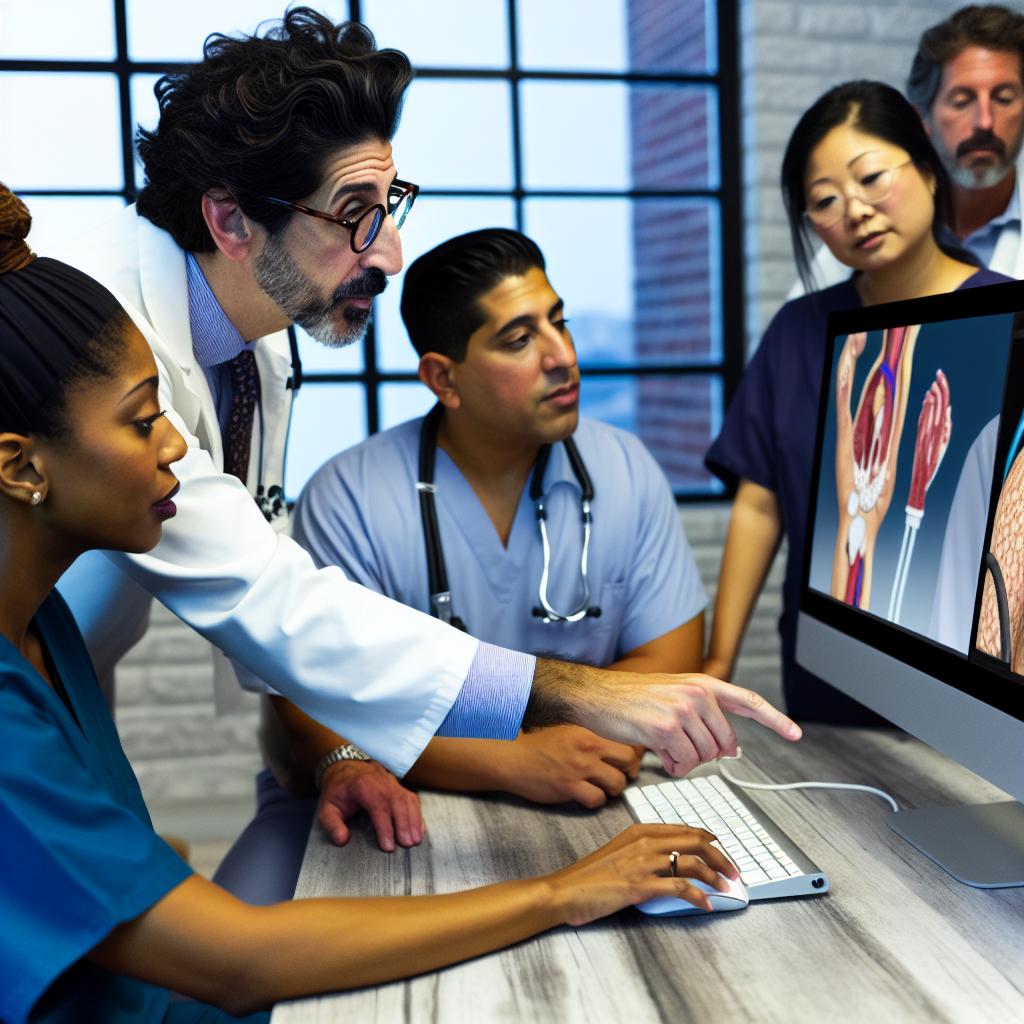
Healthcare eLearning: Transforming Medical Education
Healthcare eLearning is revolutionizing the landscape of medical education, providing an accessible and efficient means for healthcare professionals to enhance their skills and knowledge. This article delves into the benefits of eLearning in the healthcare sector, explores innovative trends, and examines how these advancements are shaping the future of medical training.
The Advantages of Healthcare eLearning
One of the primary advantages of healthcare eLearning is its flexibility. Professionals can access courses and training materials anytime and anywhere, allowing them to balance their demanding schedules effectively. This on-demand learning enables healthcare workers to study at their own pace, which is crucial in fast-paced environments where time is often a luxury.
Moreover, eLearning platforms often use interactive elements such as quizzes, simulations, and case studies that engage learners more deeply than traditional methods. This interactivity not only aids in better retention of information but also allows for practical application of skills in real-world scenarios. Additionally, eLearning can significantly reduce training costs by minimizing travel expenses and the time spent away from work.
Innovations in Healthcare eLearning
The field of eLearning is continuously evolving, and healthcare is no exception. Recent innovations such as virtual reality (VR) and augmented reality (AR) are being integrated into training programs, providing immersive experiences that enhance learning. For instance, surgical simulations allow medical students to practice complex procedures in a risk-free environment, leading to increased confidence and competence.
Furthermore, the implementation of artificial intelligence (AI) in eLearning platforms is personalizing the learning experience. AI can analyze individual learning patterns and offer tailored content, accelerating the learning process and ensuring that healthcare professionals acquire the skills most relevant to their practice. The rise of mobile learning applications also enables practitioners to engage in microlearning, fitting brief educational moments into their busy routines.
Conclusion
In summary, healthcare eLearning is an essential tool that offers flexibility, interactivity, and innovative technologies, reshaping the education of healthcare professionals. As eLearning continues to evolve with advancements like VR, AR, and AI, it promises to provide more effective training solutions, ensuring that medical practitioners are well-equipped to meet the challenges of modern healthcare. Embracing this transformation will lead to improved patient outcomes and a more skilled workforce.
 admin
admin