 By Rakshata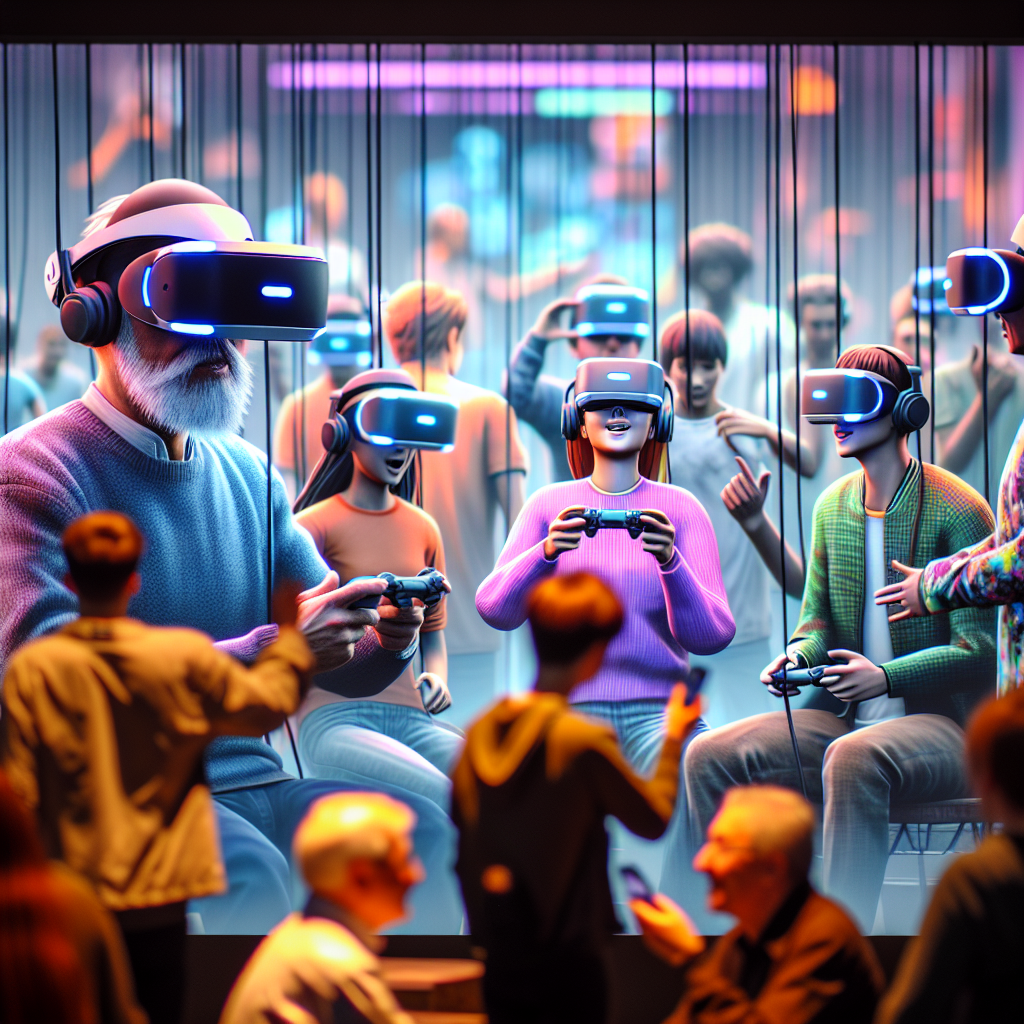
Immersive VR simulations are revolutionizing various fields by providing an interactive and engaging way to experience environments and scenarios. From education to entertainment, these virtual experiences are redefining how we learn and interact with information. This article delves into the key aspects of immersive VR simulations, exploring their benefits and applications in different sectors.
The Technology Behind Immersive VR Simulations
At the core of immersive VR simulations lies advanced technology designed to create lifelike experiences. Utilizing high-resolution graphics, 3D soundscapes, and haptic feedback, these simulations transport users into worlds that feel incredibly real. The use of powerful GPUs and sophisticated software platforms allows for the integration of artificial intelligence, enhancing responsiveness and interactivity.
Head-mounted displays (HMDs) and motion tracking devices are essential hardware components that contribute to the immersive experience. HMDs, such as the Oculus Rift and HTC Vive, provide users with an all-encompassing visual experience, while motion tracking enables them to engage with virtual environments. Together, these technologies create scenarios where users can perform actions and receive simulated feedback, making learning and training more effective.
Applications of Immersive VR Simulations
The applications of immersive VR simulations span numerous sectors, showcasing their versatility and effectiveness. In education, teachers are utilizing VR to create engaging lessons that allow students to explore historical events or complex scientific concepts in an interactive manner. This experiential learning method has been shown to improve knowledge retention and student engagement.
In the healthcare sector, immersive simulations are being used for training medical professionals. Surgical simulations, for instance, allow students to practice procedures in a risk-free environment, honing their skills before performing on real patients. Furthermore, therapy applications, such as exposure therapy for PTSD, have demonstrated promising results by immersing patients in controlled virtual environments to confront their fears.
Additionally, the entertainment industry is leveraging VR for gaming and interactive storytelling, offering players a chance to step into their favorite narratives. The future of immersive VR simulations holds tremendous potential as advancements continue, leading to even more innovative applications that can transform industries and enhance user experiences.
In conclusion, immersive VR simulations are redefining user interaction across various sectors, thanks to their advanced technology and versatile applications. They not only enhance learning and training but also offer rich entertainment experiences. As this technology continues to evolve, we can expect an ever-growing influence on how we engage with both education and entertainment, promising exciting developments in the near future.
 admin
admin