 By Rakshata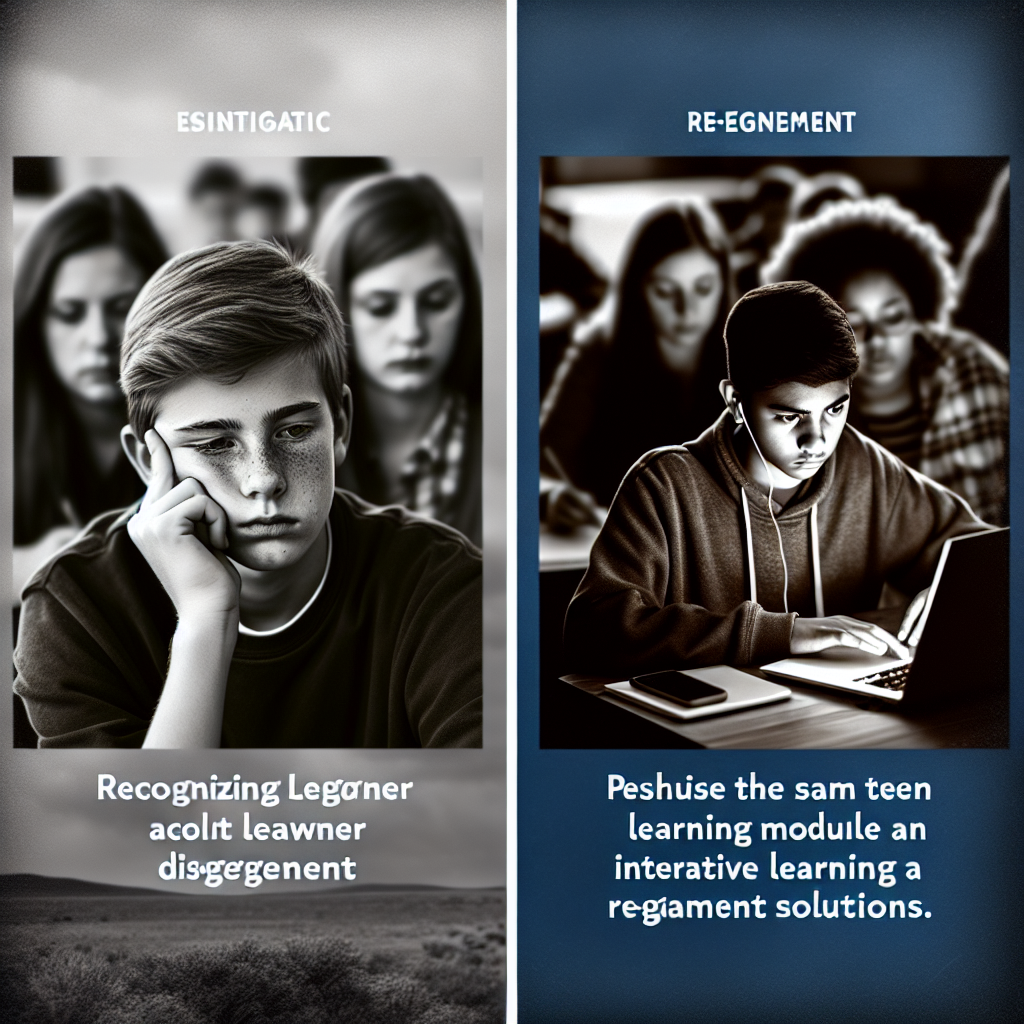
In today’s educational landscape, learner disengagement is a pressing issue that can hinder academic success. Identifying the warning signs early can make a significant difference in re-engaging students. In this article, we will explore four key warning signs of disengagement and provide effective solutions to help educators foster a more engaging learning environment.
Warning Signs of Learner Disengagement
Recognizing the signs of disengagement is crucial for any educator. The first sign is a marked decline in participation. When students stop asking questions or contributing to class discussions, it indicates a lack of interest or understanding. Secondly, an increase in absenteeism can be a red flag. If students frequently miss classes or appear disengaged during lessons, it may signal a deeper issue.
Another warning sign is a drop in academic performance. Struggling students may become frustrated and disengaged, viewing classroom activities as pointless. Lastly, behavioral changes, such as increased irritability or withdrawal from peers, can also indicate disengagement. Addressing these signs promptly ensures that students do not fall further behind.
Solutions to Re-engage Learners
To combat learner disengagement, educators can implement several effective strategies. First, creating a supportive classroom environment where students feel safe to express themselves can foster engagement. Encourage open dialogue, allowing students to share their thoughts and ideas. This helps them feel valued and motivates them to participate actively.
Secondly, incorporating interactive and personalized learning experiences can rekindle interest. Use technology, group projects, or hands-on activities to make learning more enjoyable and relevant to students’ lives. Additionally, regularly providing constructive feedback helps students understand their progress and areas for improvement, enhancing their motivation.
Finally, establishing strong relationships with students can make a significant difference. Get to know their interests, strengths, and challenges, and offer guidance tailored to their unique needs. By implementing these solutions, educators can effectively address disengagement and create a more inclusive and dynamic learning environment.
In conclusion, learner disengagement is a critical challenge that educators must confront. By recognizing the warning signs—decline in participation, absenteeism, poor academic performance, and behavioral changes—and applying practical solutions like fostering a supportive environment, offering interactive learning experiences, and building strong relationships, educators can successfully re-engage students and enhance their educational journey.
 admin
admin