 By admin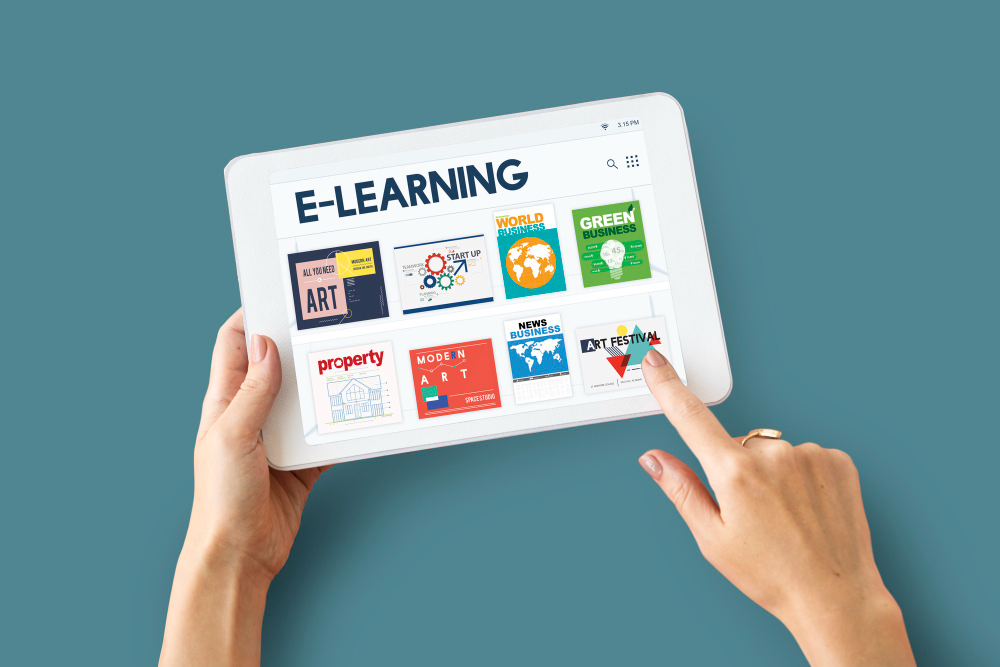
In the digital age, businesses face unprecedented challenges in talent management. Skills-based talent management offers a promising solution. It focuses on employee skills rather than traditional roles or hierarchies. With technology driving rapid changes, the demand for specific skill sets fluctuates quickly, necessitating organizations to adapt swiftly. By prioritizing skills over positions, companies can cultivate a workforce that is agile, versatile, and prepared for future challenges.
Implementing a skills-based approach involves redefining how talent is assessed and developed. Companies need to create detailed skill inventories, which serve as the foundation for evaluating existing talent and identifying gaps. An accurate skill inventory provides a comprehensive view of employee capabilities and areas needing development. By understanding these dynamics, organizations can make informed decisions about career advancement, training programs, and recruitment strategies.
Technology plays a critical role in revolutionizing eLearning for talent management. Digital tools facilitate efficient skill assessments and personalized learning pathways. Artificial intelligence and machine learning innovations can analyze employee performance data, suggesting targeted skill improvement opportunities. This technology-driven approach ensures that employees receive relevant training that enhances their competencies, improving overall productivity.
A shift toward skills-based management promotes a culture of continuous learning. Employees are encouraged to upskill regularly, ensuring they remain competitive in a rapidly evolving job market. This commitment to ongoing education fosters a growth mindset, where employees are motivated to take control of their career development. Additionally, providing access to diverse learning resources makes it easier for individuals to pursue new interests, enhancing their versatility and value to the organization.
The rise of soft skills further underscores the need for skills-based management. While technical skills are essential, soft skills like communication, problem-solving, and adaptability are increasingly critical. Organizations must evaluate and enhance these skills, equipping employees to work effectively in teams and lead in dynamic environments. Integrating soft skills into development plans ensures balanced employee growth, optimizing contributions to organizational success.
Organizations that embrace skills-based management can create transparent career paths, aligning employee aspirations with company goals. When employees see a clear connection between skill development and career progression, they are more likely to stay engaged and committed. This alignment reduces turnover rates and enhances retention, as employees feel valued and understood, leading to higher job satisfaction.
In conclusion, revolutionizing eLearning through skills-based talent management is essential for contemporary organizations. This approach bridges skill gaps, promotes employee growth, and aligns workforce capabilities with strategic objectives. By investing in technology and fostering a culture of continuous learning, businesses can remain competitive in a global marketplace. As organizations adapt to this forward-thinking strategy, they position themselves to thrive in an ever-changing economic landscape.